8 Best Zendesk Chrome Extensions for Support Agents
Sorin Alupoaie · · Updated · 11 minutes read

Updated November 2026: we checked every extension in the Chrome Web Store again, replaced the four that were removed or out of date with Quicktab’s community rebuilds, Zendesk Utils, Zendesk QA, and Text Blaze, and added answers on Zendesk’s built in dark mode, its own extensions, and extension safety.
Zendesk Chrome extensions are small programs you add to Chrome that change how Zendesk works for the agent who installs them. One opens ticket links in the Zendesk tab you already have open, another color codes your views, and others ping you when a new ticket lands or sort attachment downloads into folders. Each one fixes a small annoyance, but agents spend their whole day in Zendesk, so a few of them together make a real difference.
Below are eight that support teams actually use. We checked each one in the Chrome Web Store in November 2026 to see who makes it, what it costs, and whether it’s still being updated. If you were looking for apps that an admin installs from the Zendesk Marketplace instead, see our list of the best Zendesk apps, and for extensions to your help center theme, see Zendesk help center themes.
| Extension | What it does | Price |
|---|---|---|
| Quicktab for Zendesk | Opens Zendesk links in the tab you already have open | Free |
| Zest | Color codes the tickets in your views | Free |
| Notify-Me for Zendesk | Sound and popup alerts for new tickets | Free for 30 days, then $5 a month |
| Zendesk Download Router | Sorts attachment downloads into folders | Free |
| Zendesk Utils | Refreshes your views and shows who else is editing | Free |
| Zendesk QA | Reviews conversations from any browser tab | Comes with Zendesk QA |
| Briskine | Inserts reply templates with a shortcut | Free for 30 templates, then $7 per person a month |
| Text Blaze | Text snippets with fields to fill in | Free plan, paid plans from $2.99 a month |
What Is a Zendesk Chrome Extension?
Zendesk Chrome extensions are small software programs that extend Zendesk with some new functionality.
They run in your Chrome browser, and each agent adds them from the Chrome Web Store in a couple of clicks. Even though productivity Chrome extensions only change a few small parts of your workflow, they add up to quite a big change as a whole.
An extension only changes Zendesk in the browser of the person who installed it. That’s the main difference from a Zendesk app, which an admin installs once from the Zendesk Marketplace and which then shows up in the ticket sidebar for the whole team. So extensions are best for personal preferences, like how your tabs behave or which colors you see, while anything the whole team should share usually belongs in an app or in Zendesk’s own settings.
Why Download a Zendesk Chrome Extension?
Zendesk Chrome extensions can significantly improve the customer support experience, especially for agents who spend their whole working day in Zendesk.
They can have a major impact on your team by making it easier for them to do their jobs, while also improving your customer experience.
Here are just a few reasons why you may want to consider downloading Zendesk Chrome extensions for your support team:
- Save time. Chrome extensions are a quick way to automate tasks and save time. They can be especially useful as a quick and easy way to beef up Zendesk features. For example, Notify-Me plays a sound when a new ticket lands in a view, so nobody has to keep refreshing it to check.
- Improve your workflows. Some of these extensions will make life easier by simplifying certain processes or giving you more control over your data and how you perform certain tasks. For example, Zest colors the tickets in your views by priority or by any field you choose, so your team can spot the urgent ones at a glance.
- Boost productivity. Extensions like Briskine and Text Blaze put your most common replies a shortcut away, so agents spend less time typing the same answers and more time on the customers who need real help. Some repetitive work is better handled by a Zendesk app that runs in the background, though, like pulling order numbers and other details out of ticket comments into ticket fields.
Top Eight Chrome Extensions for Zendesk
1. Quicktab for Zendesk
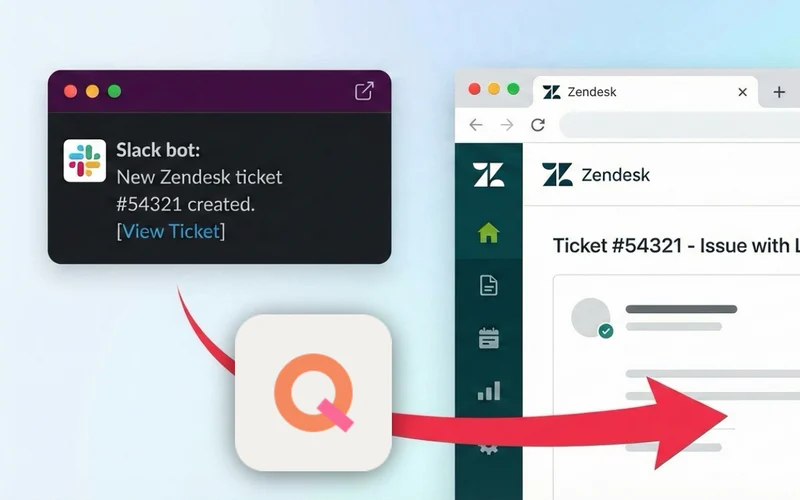
Quicktab is a great way to open any direct link to a Zendesk ticket in the already open Zendesk tab. This saves time as you don’t have to open a new tab each time, not to mention it avoids having cluttered browser tabs.
Quicktab is one of those features that you really don’t notice until you use it and then can’t live without, and it’s free to install.
The version we used to recommend, Quicktab for Zendesk by Tymeshift (the workforce management company Zendesk bought in 2023), is no longer in the Chrome Web Store. Two community rebuilds keep it going. Zendesk Quicktab by BrightEra is open source and was last updated in January 2026, and an independent port of the original has about 2,000 users. If you’d like to choose which links get caught, Zendesk TabGrab lets you send all agent links, only ticket links, or none to your open tab.
2. Zest – The Zendesk Colour Coder
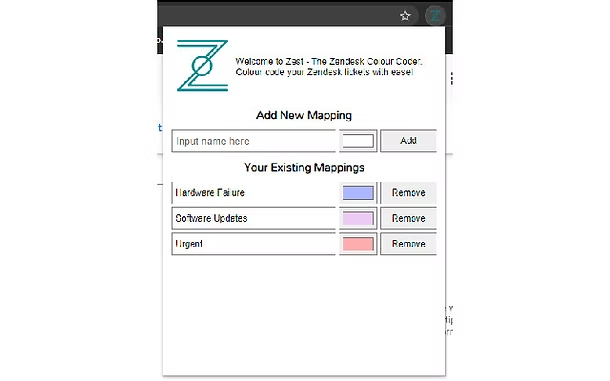
Zest is a Chrome extension by Nevin George that lets you color code the tickets in your Zendesk views.
With Zest, organizing your tickets has never been easier. By color coding your tickets, you can stay on top of your tasks. You can color them by priority, or by any other field or category that matters to your team.
This extension is free for users, so if you want to increase your productivity on a budget, this could be a great starting point. Its last update was in April 2026.
3. Notify-Me for Zendesk
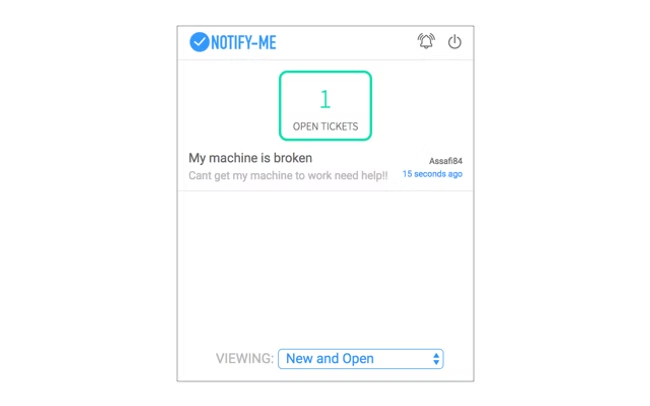
Notify-Me for Zendesk is one of the best extensions you can use to boost your productivity with Zendesk. It notifies you in real time when new tickets arrive in the views you choose, and when a ticket gets a new comment.
You have a choice of how to view it, depending on what works best for you. You will also hear a sound alert, as well as a Chrome popup, so there is less chance of you missing important tickets.
Another benefit of this extension is when you click on the ticket in the extension, instead of opening a new tab, the extension opens the Zendesk ticket in the already open Zendesk tab!
You can test out Notify-Me for Zendesk by Papaya Apps for free for 30 days, and if you love it, you can get full access for $5 per month or $50 a year. In the Chrome Web Store it’s now listed as NotifyMe for Zendesk.
4. Zendesk Download Router
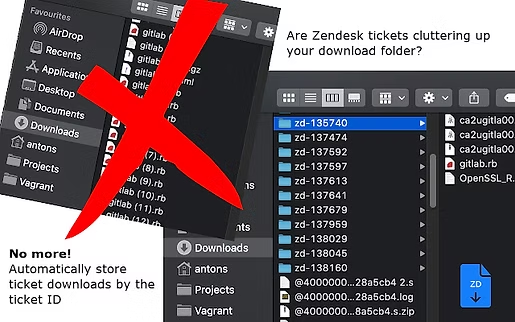
Download Router by GitLab Inc is a free Chrome extension that helps you to stay organized by directing any downloads from Zendesk (i.e. attachment files) to separate folders based on the ticket ID, ticket title, organization name, or Zendesk subdomain.
Not only can you boost your productivity with this extension by staying super organized, but you can also speed up downloads by downloading all attachments at once in the current ticket.
Just click the extension icon. If you need to download all attachments at once for each ticket comment, Zendesk Download Router enables you to do just that, and the same icon opens the files you downloaded from a ticket earlier.
5. Zendesk Utils
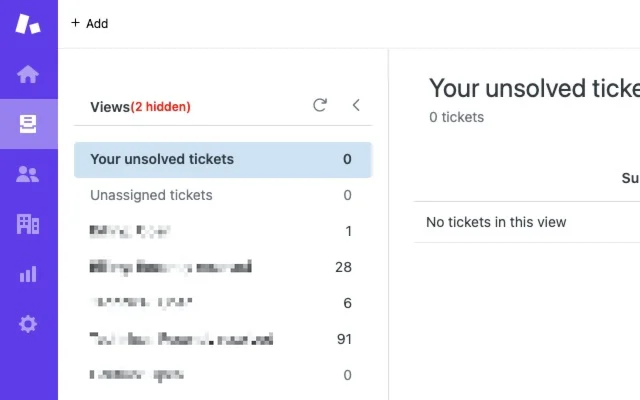
Zendesk Utils fills a few gaps in Zendesk’s agent interface. It refreshes your views automatically, so new tickets show up without anyone clicking refresh, and it lets you hide the views you don’t need right now. It also shows who else is editing a ticket, which helps two agents avoid replying to the same customer at the same time.
It’s free and made by an independent developer, Karl Jones. Its last update was in April 2024, so try it with your own Zendesk setup before you roll it out to the team. If all you need is the automatic refresh, Zendesk Helper refreshes your ticket counts on a timer you set, and about 10,000 people use it.
6. Zendesk QA
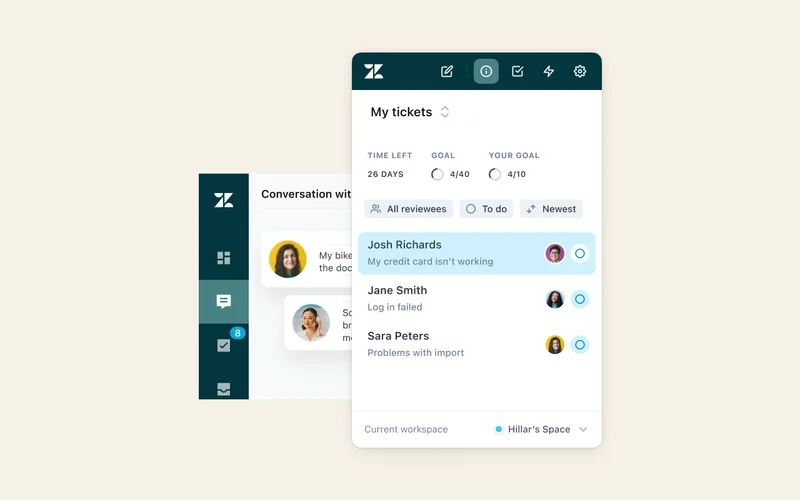
Zendesk QA is Zendesk’s own extension for its quality assurance product, which was called Klaus before Zendesk bought it in 2024. With it, reviewers can score a conversation and leave feedback from whatever tool it happened in, whether that’s Zendesk, a social channel, or another browser based help desk. Agents can see their reviews there too, and dispute one if they disagree.
You need Zendesk QA or Workforce Engagement Management (WEM), which Zendesk sells on top of your Support or Suite plan, and each person signs in with their Zendesk QA account. If your team doesn’t use Zendesk QA, this one won’t do anything for you, so skip ahead to the next one.
7. Briskine: Email templates for Gmail
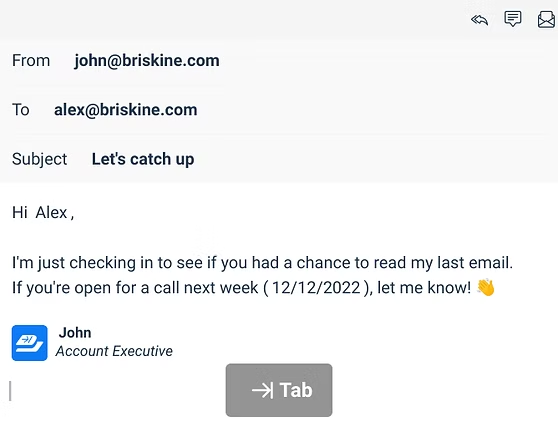
Briskine is best known as a Gmail extension for email templates, but it inserts your templates on almost any website, including LinkedIn, Facebook, and of course Zendesk.
It’s an easy way to save time when sending emails, as well as a good way to standardize your responses for certain types of messages. If you find yourself writing the same type of response over and over again, just create a template in Briskine.
Let’s say, for example, that you work at an accounting firm and frequently receive questions from clients about their 1099 forms (a tax form).
You could create a standard response for these inquiries and give it a short keyword. Whenever a client asks about the form, you type the keyword, Briskine fills in the response, and you adjust the details before you send it.
Zendesk macros already do some of this inside Zendesk, and they can also set fields and tags on the ticket. A template extension is handy for the smaller pieces agents type all day, like a greeting, a troubleshooting step, or a link, and it works in your other tools too.
The extension is free to use on its free plan, which includes one seat and 30 templates. If you want to upgrade, it will cost $7 per month, per person for unlimited seats, unlimited templates and team shared templates.
8. Text Blaze
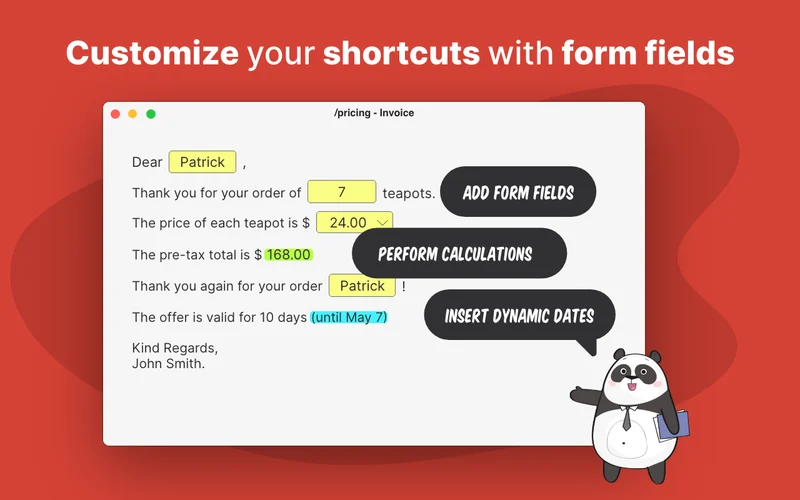
Text Blaze is a text expander: you type a short keyword, and it inserts a saved snippet in Zendesk or on any other website. What sets it apart from simpler template tools is its form fields. A snippet can include a dropdown for the customer’s plan or a box for their order number, so agents fill in the details as they insert the text instead of hunting for the words to change afterward.
Teams can share folders of snippets, so everyone uses the same wording, and about 800,000 people use it in Chrome. The free plan includes a limited number of snippets, Pro costs $2.99 a month billed yearly, and the Business plan for teams costs $6.99 per user a month billed yearly.
Common Questions About Zendesk Chrome Extensions
Does Zendesk Have a Dark Mode?
Yes. Zendesk added a built in dark mode to the Agent Workspace in July 2025, on every Suite and Support plan, which is why the Zendesk Dark Mode extension that used to be on this list isn’t here anymore. It’s turned on for the account by default, and each agent switches it on or off from the Display menu in their profile. If you don’t see that menu, an admin can turn it on in Admin Center under Workspaces > Agent tools > Agent interface, with Allow agents to turn on dark mode in Agent Workspace.
Zendesk’s dark mode only covers Support, not Admin Center or other Zendesk products. If you want those dark too, a general extension like Dark Reader darkens any website. It’s free, and about 7 million people use it.
Does Zendesk Make Its Own Chrome Extensions?
Yes, and the two you’re most likely to come across each go with a Zendesk product that’s sold separately. Zendesk QA, number 6 above, is one of them. The other is the Zendesk time tracker for teams on Zendesk WFM (workforce management). It records the time agents spend on websites outside Zendesk, like an internal wiki or a billing tool, against the tasks and statuses an admin has mapped those sites to.
Are Zendesk Chrome Extensions Safe to Use?
Most of the extensions in this list can read the Zendesk pages you open, and those pages hold your customers’ names, emails, and messages, so it’s worth a quick check before you install one. Look at who publishes it, when it was last updated, and which sites it asks to access, and ask your IT team first if your company keeps a list of approved extensions.
Updates matter too. In July 2025 Chrome turned off every extension still built on Manifest V2, its older extension format, and by the end of August 2026 Google had removed the remaining ones from the Chrome Web Store. That’s one reason a few extensions support teams relied on stopped working or disappeared. Every extension in this list uses the current format, Manifest V3.
When an Extension Isn’t Enough
Extensions make each agent’s own Zendesk a little faster, but they stop at that one browser. Template extensions like Briskine and Text Blaze are a good example. Over time every agent builds their own snippets, so the answers your team types most often end up spread across a dozen personal lists instead of in your macros, where everyone can find them and you can update them when a policy changes.
That’s where Swifteq’s MCP Server helps. It connects Claude, ChatGPT, or another AI assistant to your Zendesk, so you can ask it to read a batch of recent tickets, say 50 of this week’s returns tickets, find the answer agents type most often, and draft a new macro from it. It can also list the macros nobody has used in the last 30 days. Changing macros stays off until an account owner turns on Allow changes to macros, and nothing is created until you’ve checked the draft and approved it.
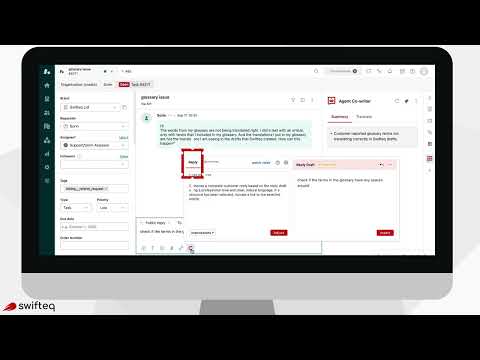
And if your agents mostly want help writing the replies themselves, Agent Co-writer drafts them in your brand’s tone right inside the Zendesk ticket.
The MCP Server is free for 500 calls a month per Zendesk account, with no credit card required, so you can try it on your own macros today.